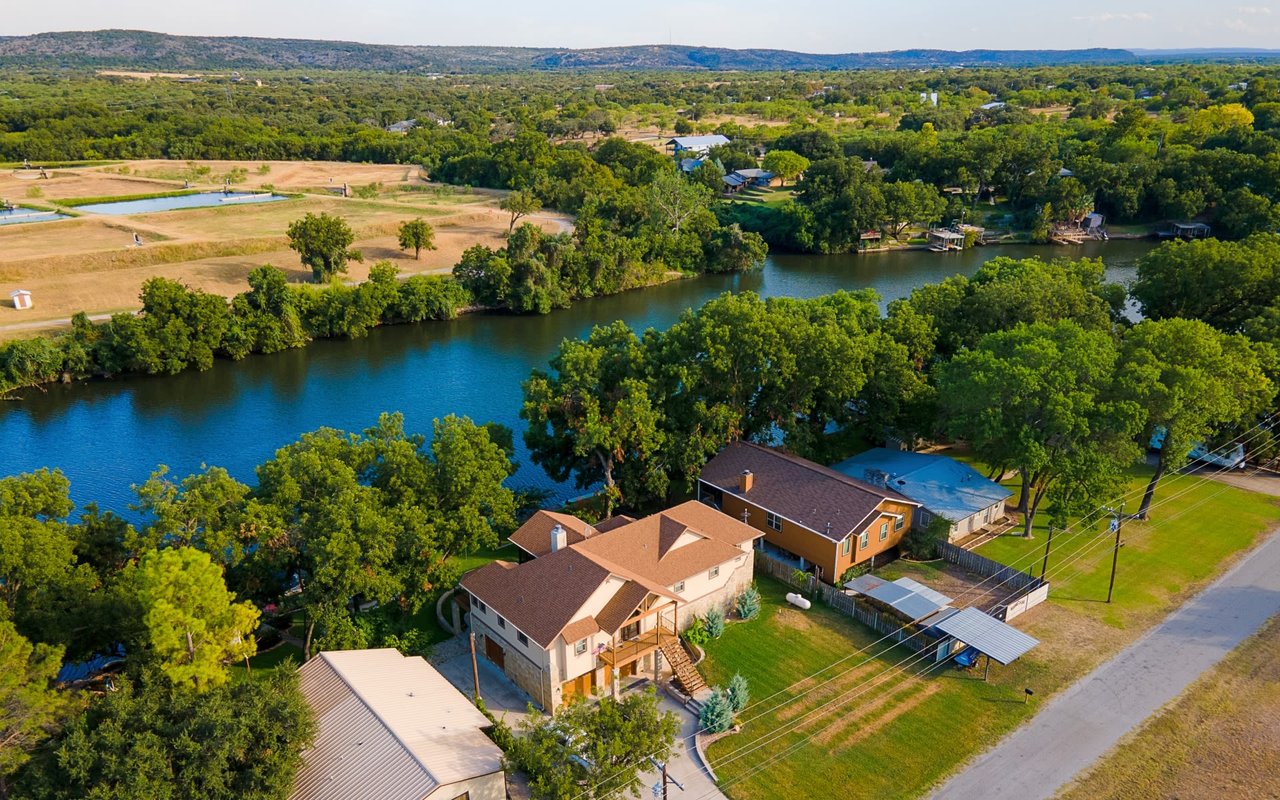
Explore build-ready lots, acreage, and Hill Country homesites near Austin with room to create your ideal property.
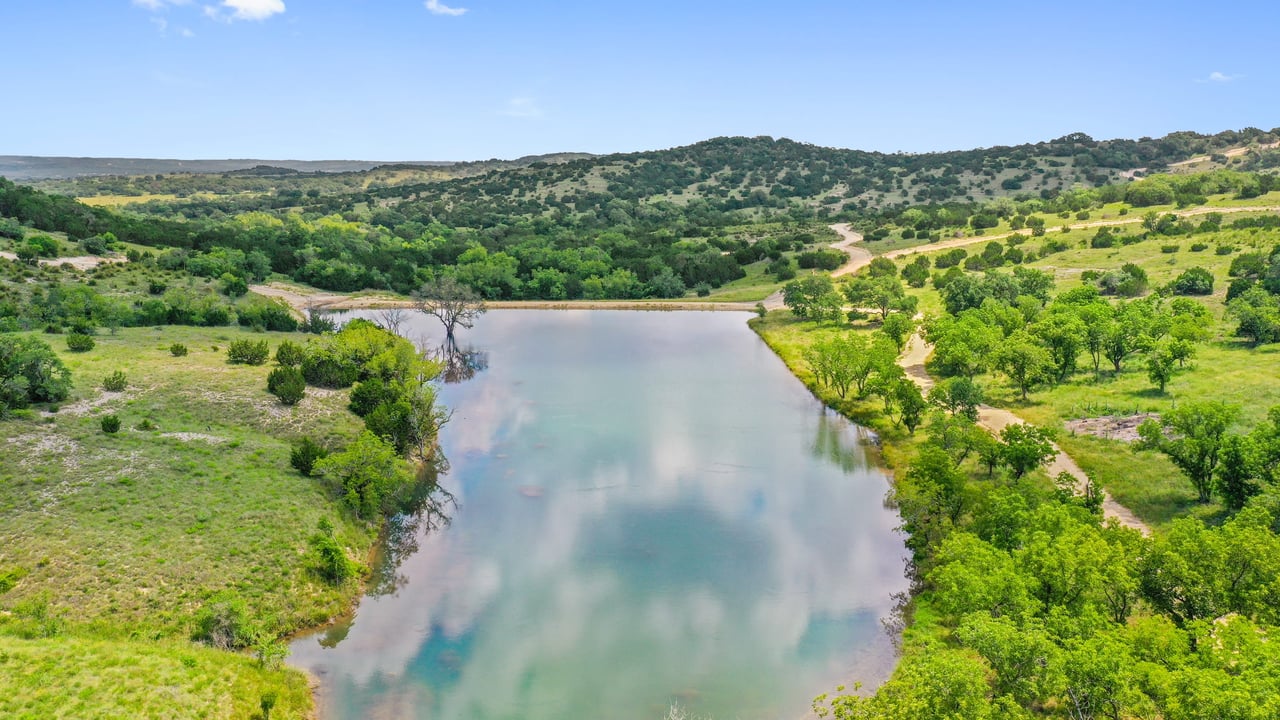
Browse Austin, TX land for sale with the latest listings, including residential lots, acreage tracts, and homesites near the city and throughout the Hill Country. Compare zoning, utilities, road access, and floodplain considerations, and explore areas near Lake Travis, Dripping Springs, Bee Cave, and other popular nearby communities. Get expert guidance on land financing, due diligence, and what to know before buying land in the Austin area.
What is the housing market like in Austin today? In October 2025, Austin home prices were down 0.56% compared to last year, selling for a median price of $537K. On average, homes in Austin sell after 89 days on the market compared to 81 days last year. There were 725 homes sold in October this year, up from 724 last year.
Median Sale Price
# of Homes Sold
Median Days on Market
Buying land is exciting, but it comes with extra homework around zoning, utilities, and build feasibility. These FAQs answer the questions buyers ask most when searching Austin land for sale, including where to look, what due diligence to run, and how land purchases differ from buying a home.
Land pricing varies dramatically based on location, zoning, road frontage, utilities, and whether the parcel is build-ready. Hill Country and Lake-area tracts often price differently than land east of Austin where larger acreage may be available. The most reliable way to estimate value is to compare recent land sales with similar size, access, and utility setup.
Popular search areas include the Hill Country, the Lake Travis corridor, and the outskirts near Dripping Springs/Driftwood, plus pockets east of Austin for buyers seeking more acreage. West of Austin often appeals to buyers prioritizing views and lifestyle, while east can offer more space and potential growth corridors. “Best” depends on your goal—custom build, investment hold, or a blend of both.
Zoning and deed restrictions determine what you can build, how the property can be used, and sometimes minimum home size or architectural requirements. Some parcels may be governed by city rules, while others fall under county regulations with different standards. Always verify zoning, restrictions, and any HOA or POA rules before you buy.
Utility availability is one of the biggest differences between land and a home purchase. You’ll want to confirm the water source (municipal, well, or water co-op), electricity access and cost to extend lines, and whether the property will need septic (including soil feasibility). If you work remotely, check internet providers and cell coverage early—service can vary widely outside central Austin.
Permits depend on whether the property is inside city limits or in an unincorporated county area. You may need approvals for driveway access, septic, well drilling, building permits, and sometimes environmental setbacks. A local builder or civil engineer can help map out the requirements before you close.
Raw land often means fewer improvements—no cleared homesite, no paved access, and limited utilities—so it can be cheaper upfront but more expensive to develop. Developed or “improved” land may already have utilities, a driveway, or a cleared pad, which can reduce build timelines and surprises. The right choice depends on budget, timeline, and how hands-on you want to be.
Yes—floodplain status, drainage patterns, and protected environmental features can affect where (or whether) you can build. Some areas around creeks, low-water crossings, or hill slopes require extra engineering or limit buildable area. A survey, environmental review (when needed), and careful look at flood maps are smart steps.
Land taxes are based on assessed value and the local tax rates, and totals can vary significantly by county and taxing jurisdiction. If your land is in a rapidly developing area, assessed values can change over time. It’s wise to estimate taxes using the current assessment and confirm whether exemptions may apply.
An agricultural valuation (often called an “ag exemption”) may lower taxable value if the land qualifies for agricultural use, such as grazing or certain wildlife management practices. Qualification rules and history requirements vary, so it’s important to confirm eligibility and what’s needed to maintain it. Buyers should also verify whether the current ag status will transfer after purchase.
Land loans are available, but they often require higher down payments, shorter terms, and more lender scrutiny than a typical home mortgage. Build timing depends on utilities, permitting, engineering, and your builder schedule—some buyers can start quickly on improved lots, while raw land can take longer due to site work and approvals. Planning a realistic timeline (and budget buffer) is key to a smooth build.