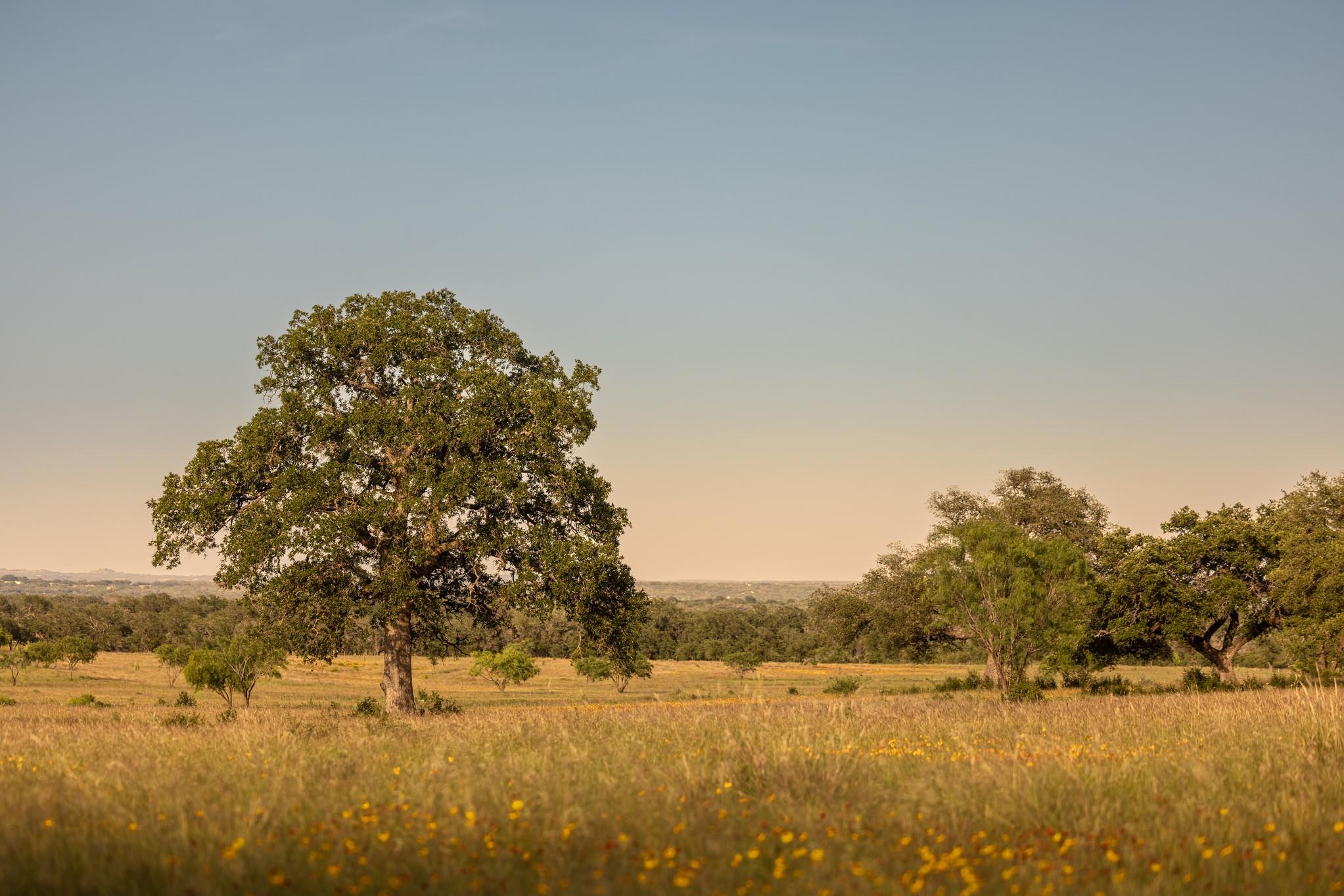
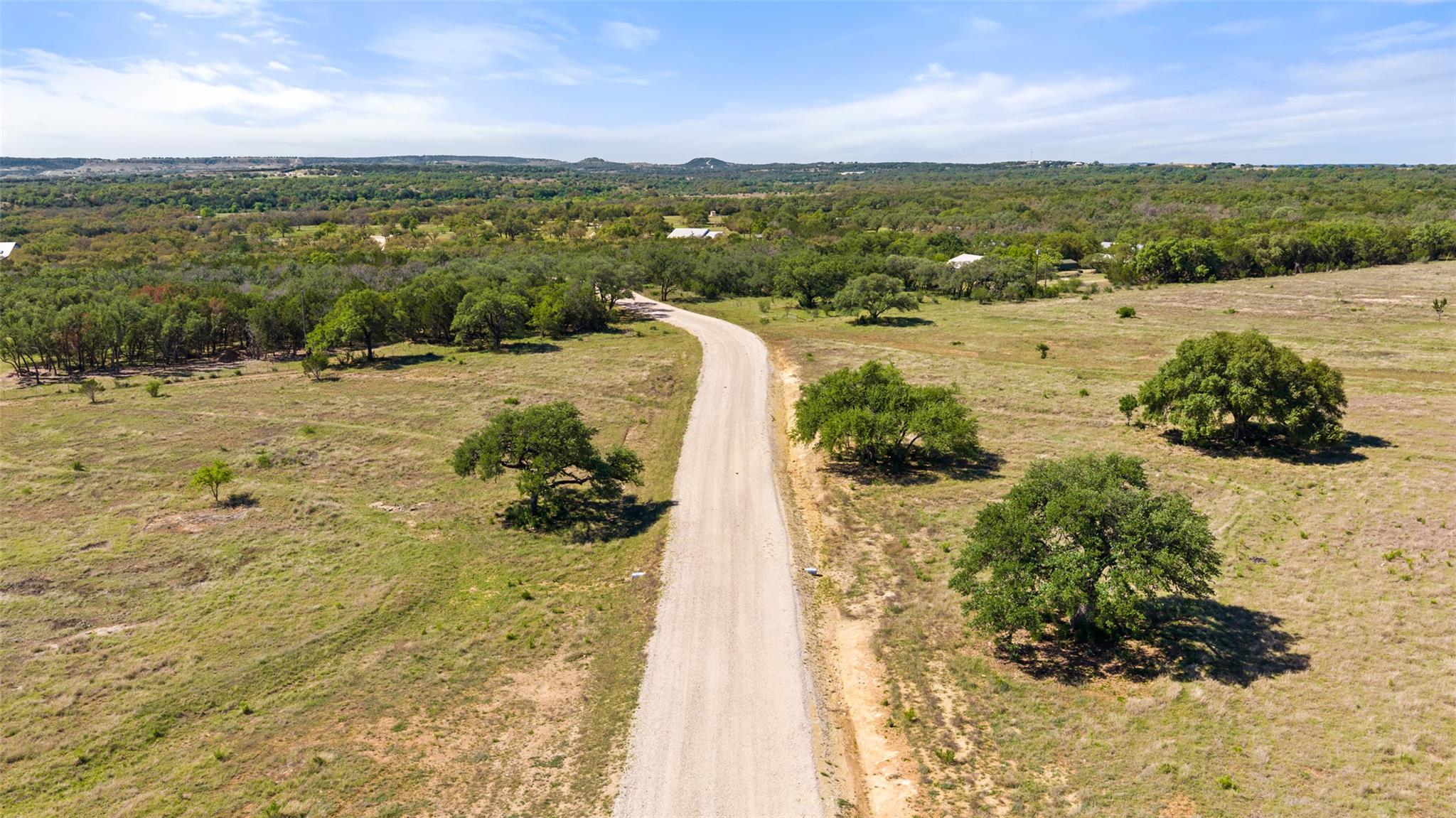
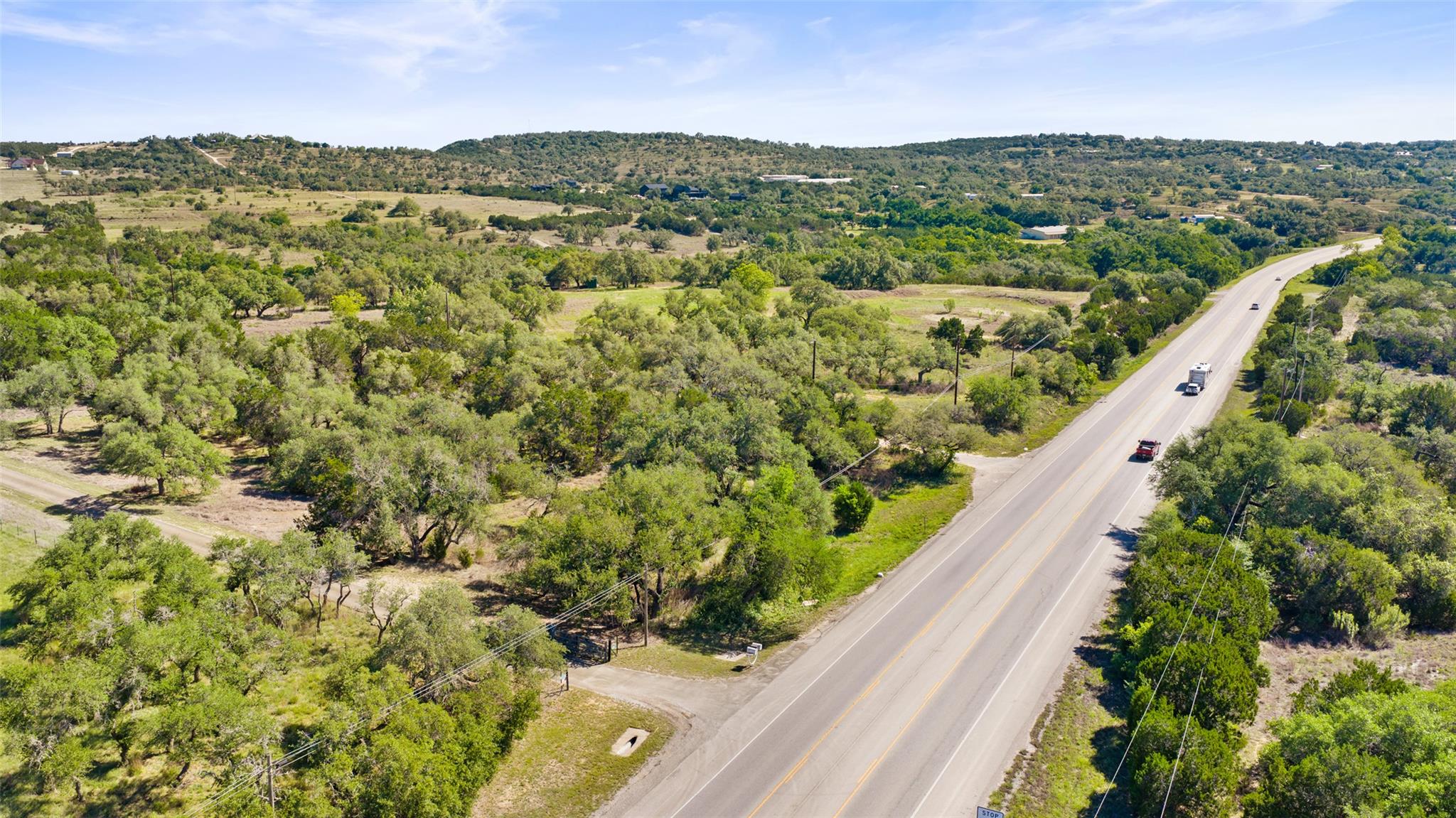
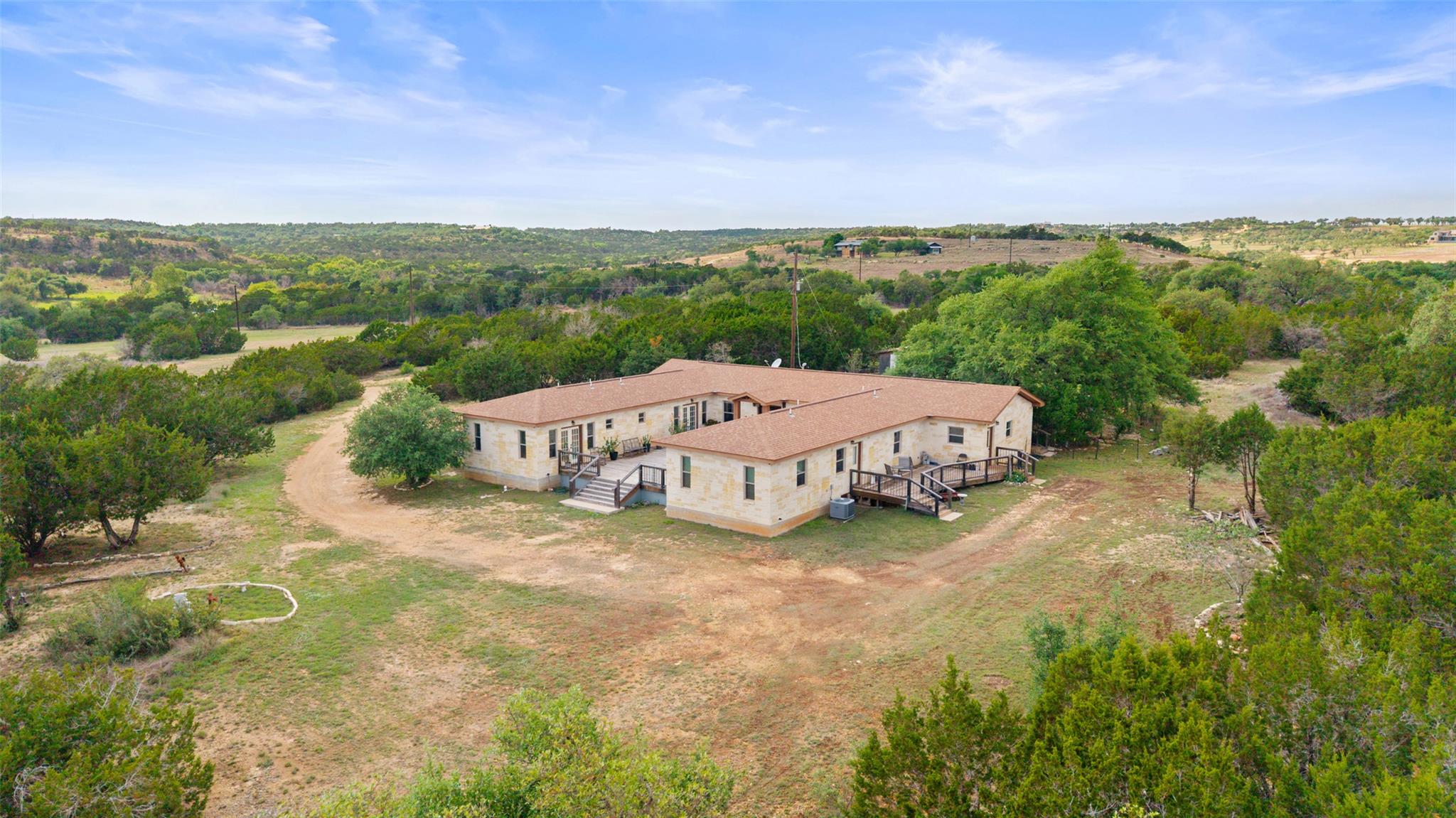
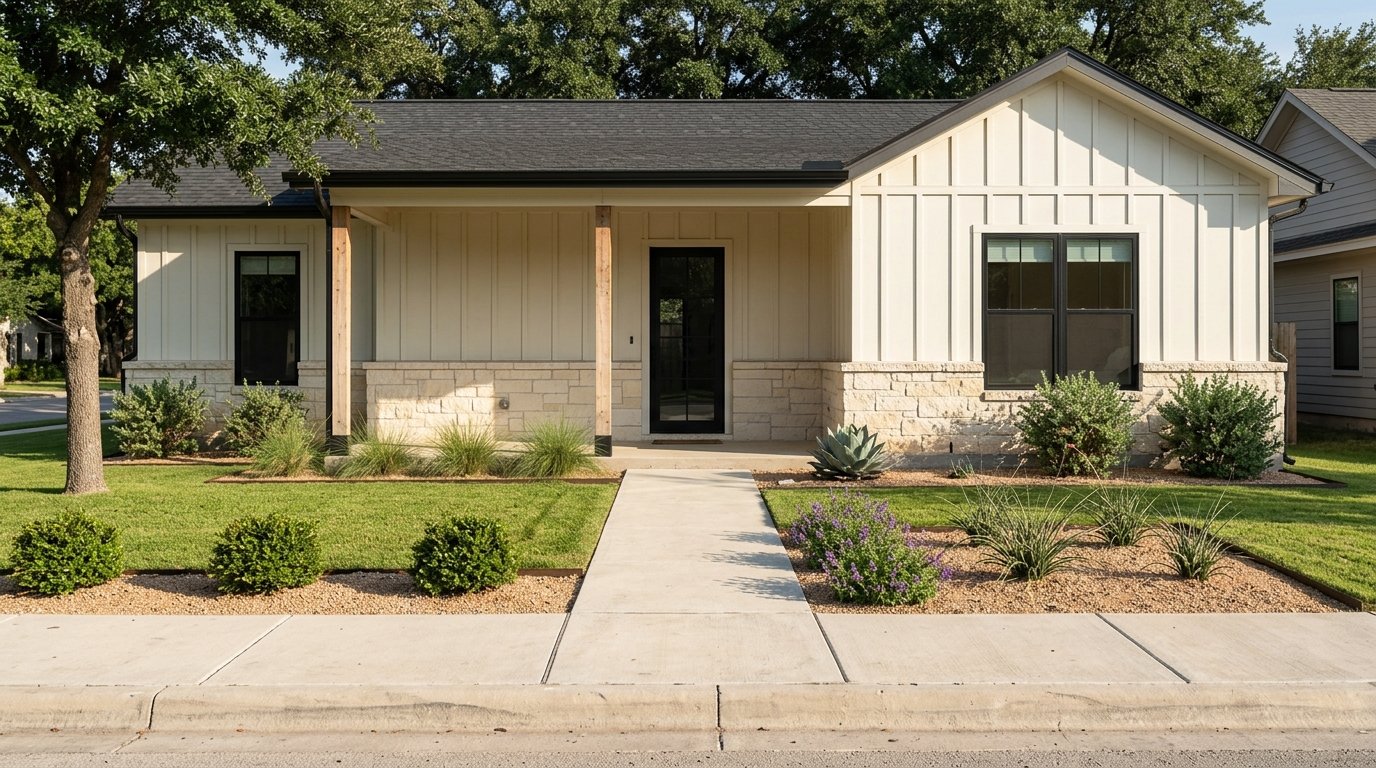
Working Ranches
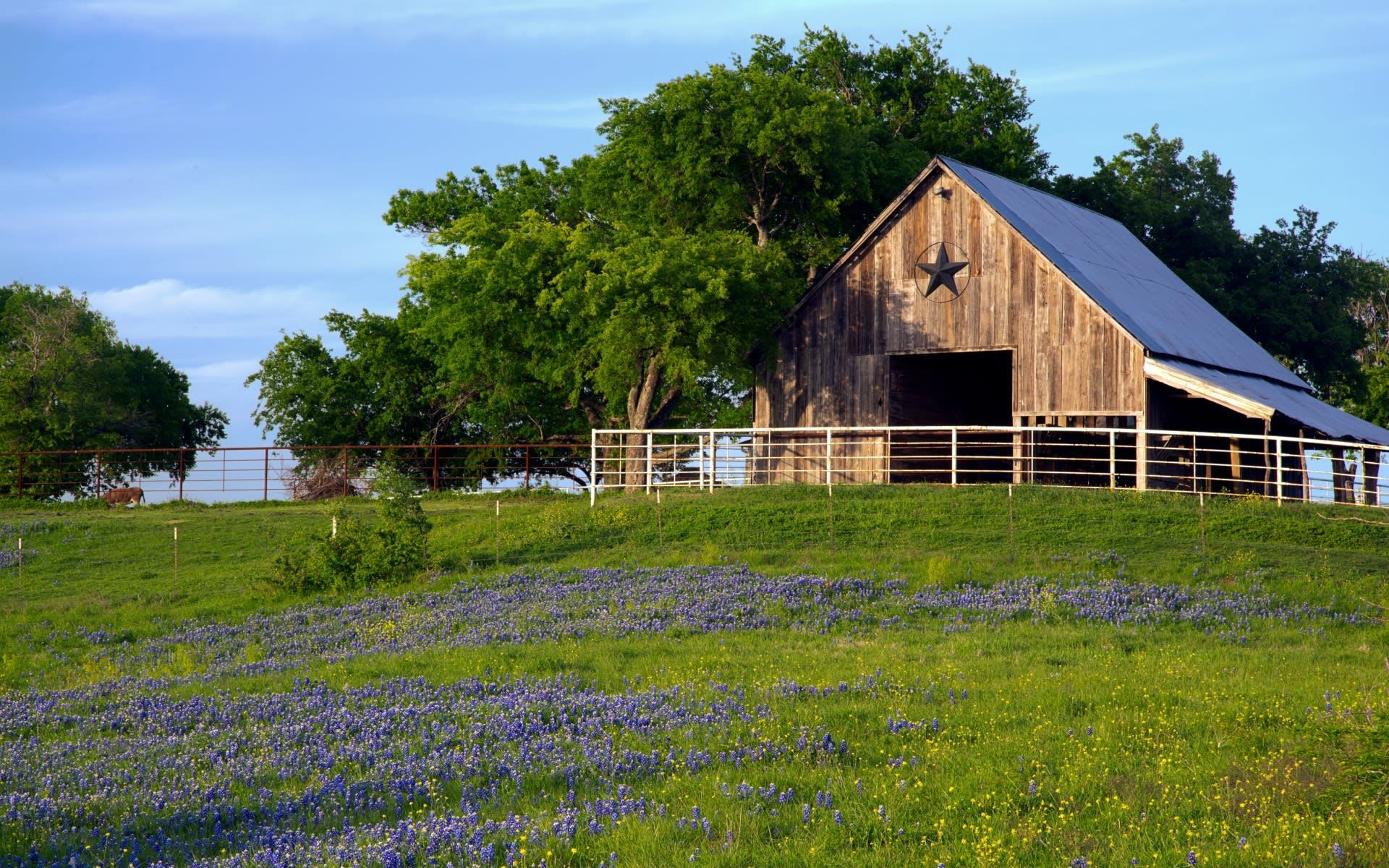
Working ranches may include pastures, fencing, barns, water infrastructure, equipment areas, livestock facilities, and agricultural use. Review the property’s current operation and what it would take to continue or modify that use.
365 Gipson Rd, Johnson City, TX 78636
530 Acres
2263 CR 341, Marble Falls, TX 78654
291.71 Acres
3431 Klett Ranch Road, Johnson City, TX 78636
134.48 Acres
2454 McKinney Loop, Blanco, TX 78606
4 BD | 4 BA | 3,150 Sq.Ft.
1318 Klett Ranch RD, Johnson City, TX 78636
69 Acres
6590 US 290, Dripping Springs, TX 78620
24.26 Acres
2966 RM 165, Dripping Springs, TX 78620
4 BD | 4 BA | 3,400 Sq.Ft.
Tract 12 LewDele LN, Blanco, TX 78671
20.8 Acres
Texas Hill Country Farm & Ranch Real Estate
Explore farm and ranch properties for sale across the Texas Hill Country, including working ranches, recreational acreage, improved land, luxury ranch estates, hunting properties, and rural homes with room to grow.
Buying a ranch in Central Texas is about more than acreage and price. The right property should support your intended use, whether that means livestock, recreation, privacy, family legacy, weekend retreats, wildlife management, or long-term land ownership.
Topper Real Estate helps buyers compare Hill Country ranches with a local lens, including water, access, fencing, improvements, tax status, restrictions, road frontage, surrounding land use, and resale strength.
Hill Country Ranches For Sale
Hill Country ranch real estate attracts buyers who want open space, privacy, usable land, water features, livestock potential, recreation, and a quieter connection to the landscape. From Johnson City and Blanco to Gillespie, Burnet, and Kendall County, each area offers a different mix of land character, access, and property value.
The search should begin with intended use. A working ranch, family retreat, recreational tract, hunting property, and luxury ranch estate can all fall under the farm and ranch category, but each requires different due diligence before making an offer.
Ranch Property Options
Not every acreage property is the same. Buyers should compare land use, improvements, water, restrictions, access, and long-term ownership goals before narrowing the search.
Working ranches may include pastures, fencing, barns, water infrastructure, equipment areas, livestock facilities, and agricultural use. Review the property’s current operation and what it would take to continue or modify that use.
Recreational ranches are often purchased for hunting, weekend use, wildlife, trails, views, privacy, and family gatherings. Access, terrain, water, habitat, and surrounding land use are especially important.
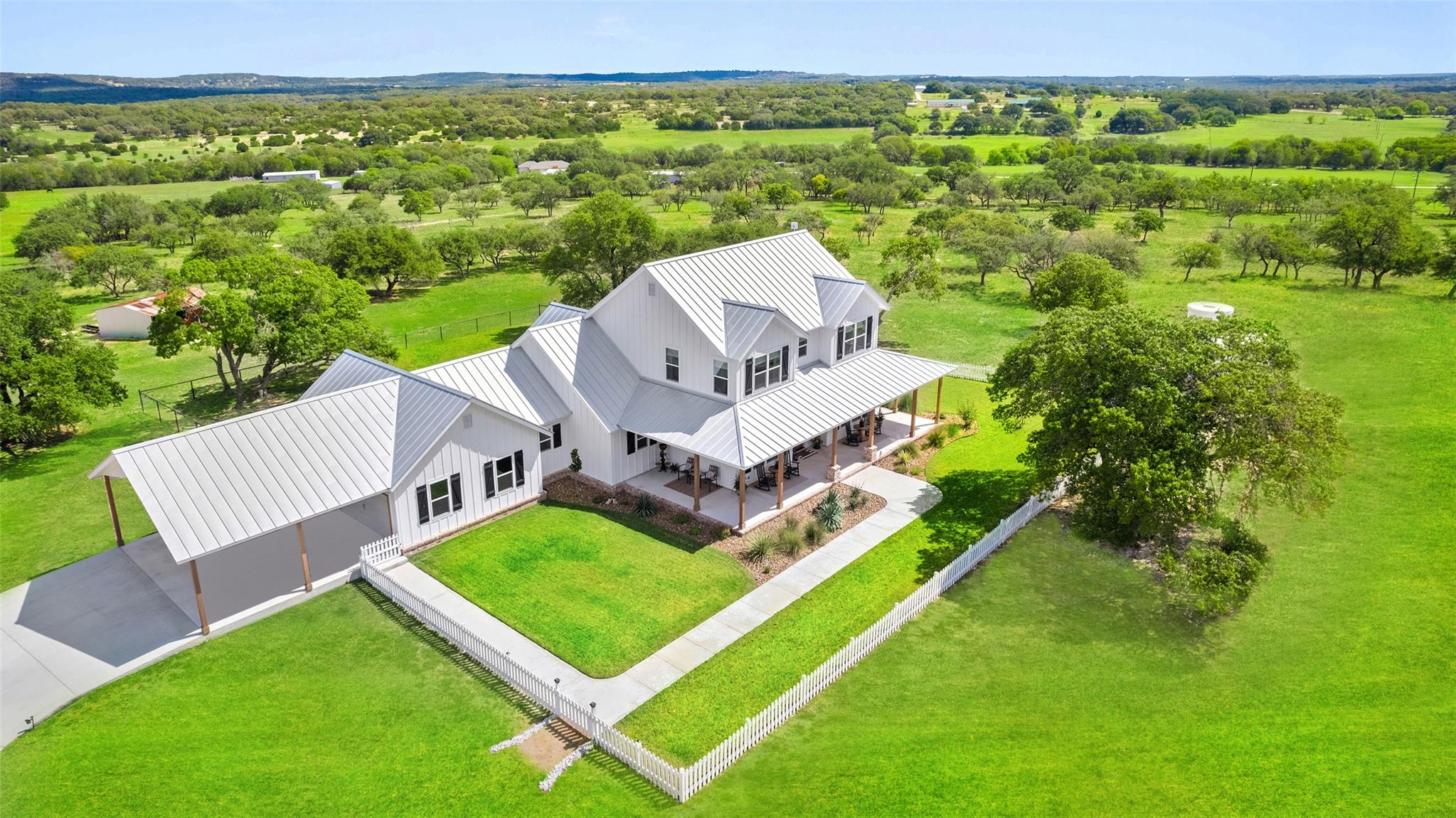
Luxury ranches may combine custom residences, guest quarters, entertainment areas, pools, barns, water features, and dramatic views. Buyers should evaluate finish quality, systems, privacy, land usability, and long-term care.
Improved acreage may already include a home, utilities, septic, well, fencing, driveway, shop, barn, or other infrastructure. Confirm what is permitted, functional, and transferable before closing.
Raw land can be ideal for a custom build, long-term hold, or private retreat, but buyers should review buildability, restrictions, survey, road access, utilities, septic feasibility, and water availability.
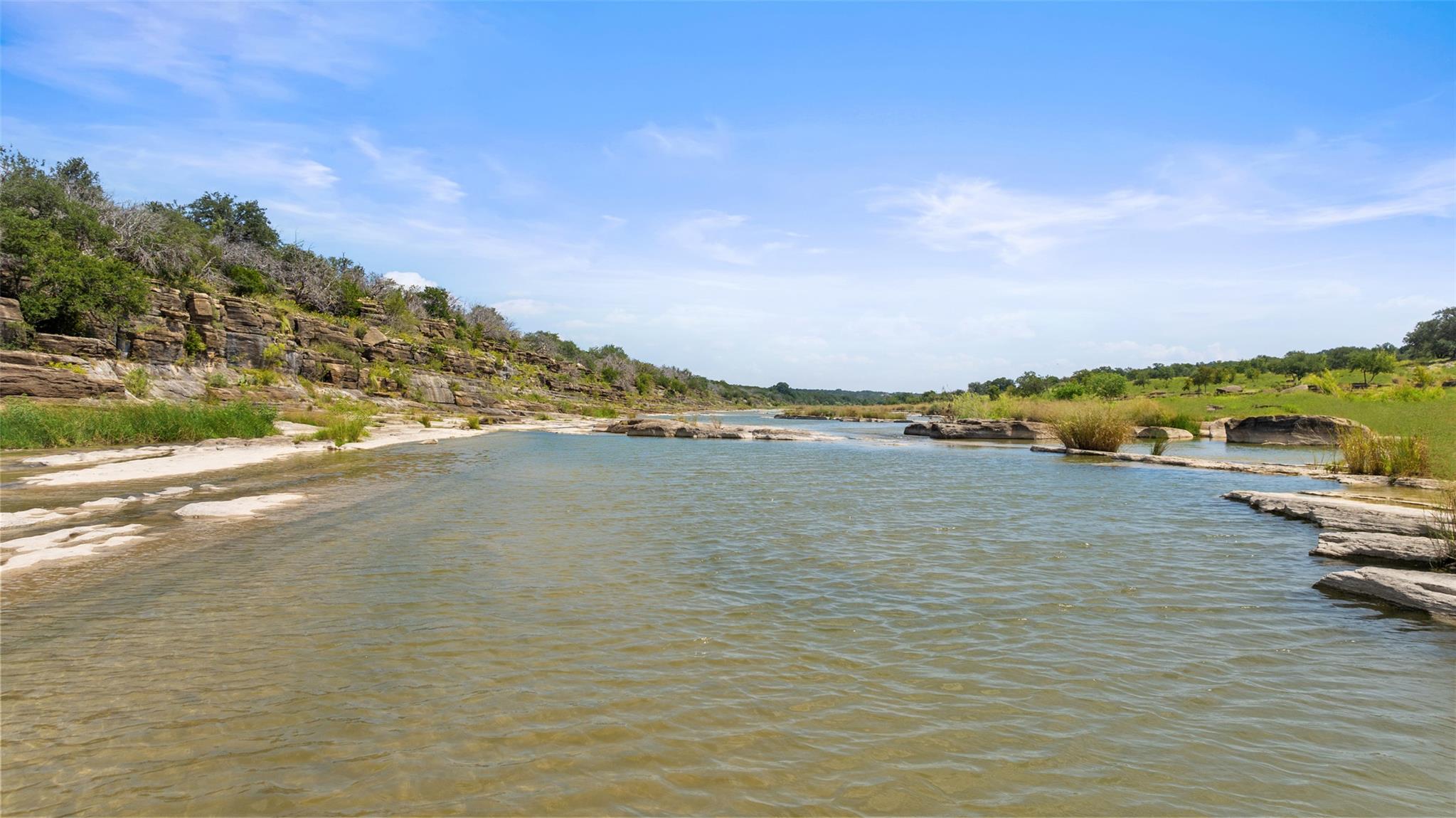
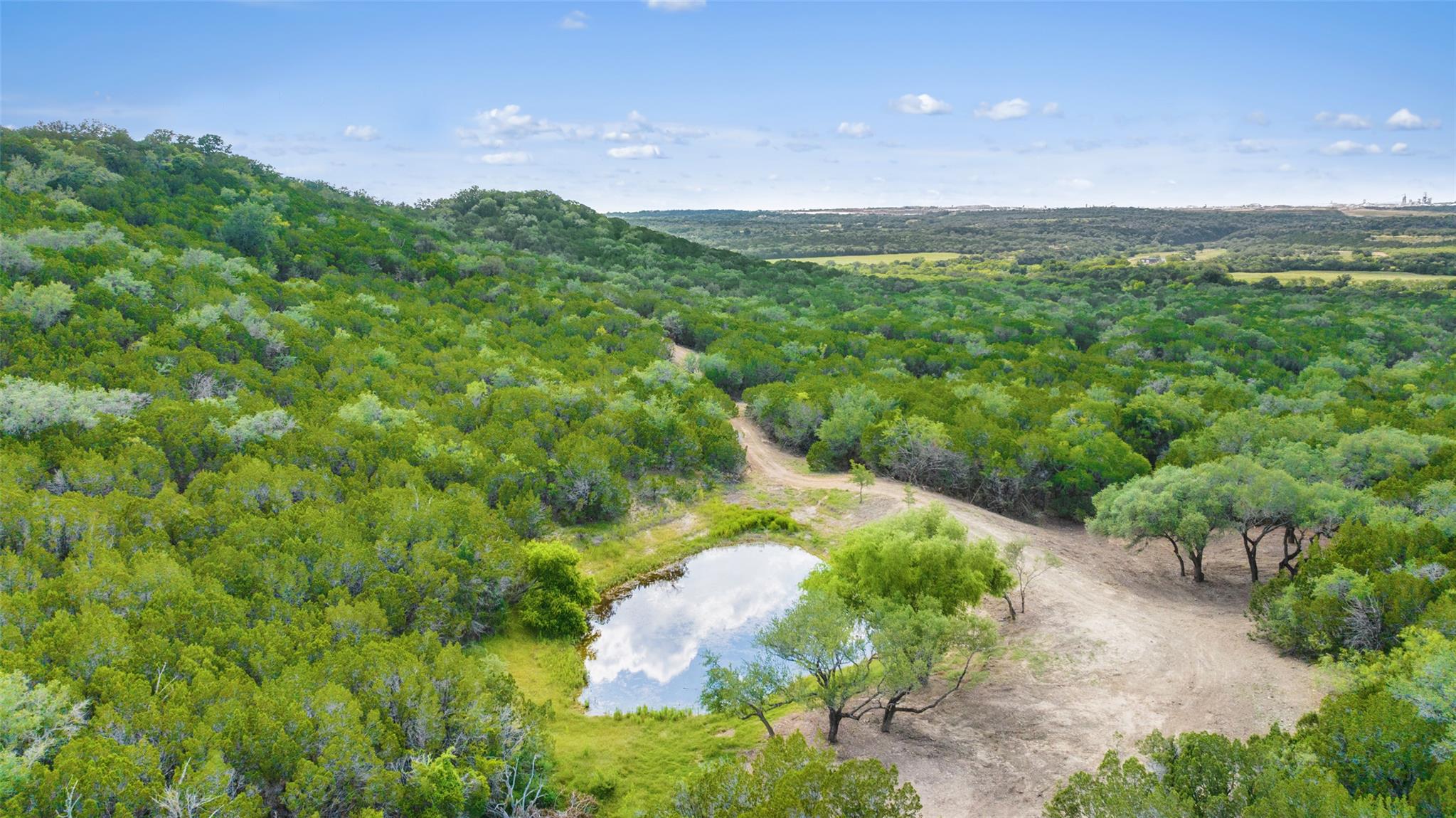
Creeks, ponds, springs, rivers, and tanks can add major lifestyle and property value. Review access, seasonal reliability, floodplain status, maintenance, rights, and insurance considerations.
Location Comparison
Ranch searches should be organized by use and location. Johnson City, Blanco, Gillespie County, Burnet County, Kendall County, and Austin-area acreage can each support different ownership goals.
Market | Often Best For | Important Considerations | Related Page |
|---|---|---|---|
Johnson City | Ranches, rural homes, improved acreage, recreational land, and buyers who want a Blanco County base. | Road access, water source, septic, ag valuation, fencing, restrictions, surrounding land use, and future growth. | |
Blanco | Acreage buyers seeking small-town access, scenic land, ranch properties, and Hill Country privacy. | Wells, utilities, floodplain details, deed restrictions, topography, road frontage, and land usability. | |
Gillespie County | Legacy ranches, wine country acreage, recreational retreats, and distinctive Hill Country land. | Comparable ranch sales, improvements, water, fencing, ag status, privacy, and long-term resale position. | |
Burnet County | Ranch land, lake-area acreage, recreational property, waterfront influence, and larger rural tracts. | Floodplain status, water features, access, utilities, insurance, hunting or recreation use, and maintenance needs. | |
Kendall County | Luxury acreage, estate-style ranches, privacy, views, and refined Hill Country living. | Lot value, construction quality, restrictions, HOA rules, taxes, privacy, and proximity to local amenities. | |
Austin Area | Buyers comparing acreage or ranch-style living with access to Austin employment, dining, and services. | Commute, pricing competition, utilities, property type, city versus county rules, and long-term value. |
Explore Related Searches
Use these related property categories and local pages to compare ranches with homes, land, waterfront acreage, and nearby Hill Country markets.
Compare raw land, homesites, lots, buildable acreage, and property options where the main value is the land itself.
Explore Land & Lots →Explore properties with river, creek, lake, pond, or water-feature appeal, including additional review around access and floodplain status.
Explore Waterfront →Compare ranches with residential homes when lifestyle, commute, home size, privacy, and acreage needs are still being refined.
Explore Residential →Ranch Buyer Due Diligence
Ranch and acreage purchases often involve more moving parts than a standard residential transaction. The right review process helps buyers understand what they are truly purchasing before the option period ends.
Confirm whether the property uses a private well, public water, shared water system, rainwater collection, tanks, ponds, springs, or other water features.
Review road frontage, driveway access, recorded easements, private road maintenance, low-water crossings, gate access, and emergency accessibility.
Look closely at acreage, fence lines, encroachments, easements, boundary disputes, improvements, and whether the survey reflects current property conditions.
For properties with agricultural valuation or wildlife exemption, review current use, transfer requirements, future plans, and possible rollback tax exposure.
Inspect homes, guest houses, barns, workshops, fencing, gates, wells, septic systems, roads, equipment areas, utilities, and other ranch infrastructure.
Review deed restrictions, HOA rules, conservation easements, short-term rental limits, hunting use, livestock rules, and any limits on future building.
Internal Search Paths
These related resources help buyers and sellers move through Topper Real Estate’s most important property categories and local real estate pages.
Buyer Questions
Answers to common questions about buying ranches, acreage, rural homes, recreational land, and farm properties in the Texas Hill Country.
Before buying a Hill Country ranch, review water source, access, survey, fencing, utilities, septic, ag valuation, deed restrictions, easements, floodplain status, improvements, and whether the land supports your intended use.
Buyers may find working ranches, recreational acreage, hunting properties, improved land, luxury ranch estates, rural homes with acreage, raw land, homesites, and properties with creek, pond, river, or lake influence.
Ranch buyers often compare Johnson City, Blanco, Gillespie County, Burnet County, Kendall County, and Austin-area acreage depending on budget, access, land character, privacy, improvements, and intended use.
Water can affect livestock use, recreation, irrigation, residential comfort, property value, and long-term usability. Buyers should verify wells, public water, tanks, ponds, creeks, springs, and any shared water arrangements.
Agricultural valuation can affect property taxes on qualifying land. Buyers should review the current tax status, use requirements, transfer considerations, and possible rollback tax exposure with appropriate local professionals.
Yes. Deed restrictions, HOA rules, easements, conservation agreements, and local requirements may affect building, hunting, livestock, rentals, subdivision, commercial use, fencing, and future improvements.
Topper Real Estate helps buyers compare ranches, acreage, rural homes, land, waterfront-influenced properties, and county markets with guidance around search strategy, property fit, due diligence, offer terms, and closing preparation.
Your Hill Country Ranch Search
Tell Topper Real Estate what matters most — acreage, water, privacy, livestock use, views, recreation, improvements, or long-term land value. The team can help you compare Hill Country ranch opportunities with a focused local strategy.