Selling a ranch in Llano County is different from selling a typical home. Buyers are not only looking at the house. They are also sizing up the land, access, water features, improvements, and how easy the property will be to use from day one. If you want a smoother sale and a stronger first impression, thoughtful prep matters. Let’s dive in.
Why ranch prep matters in Llano County
Llano County is known for its Hill Country setting, waterways, granite landscapes, and ranching roots. That means buyers often focus on the full property story, including usable acreage, roads, gates, fencing, barns, pens, and water access.
In other words, your sale price and buyer interest may depend on much more than interior finishes. A well-prepared ranch helps buyers understand how the property functions, what makes it valuable, and how it fits their goals.
Start with access and first impressions
Before photos or showings, look at your property the way a buyer will. The drive in, the entrance, and the condition of roads and gates often shape the entire showing experience.
Make sure roads are passable, gates open properly, and access points are visible and orderly. Texas A&M AgriLife notes that roads, gates, fences, and water access points matter not only for appearance, but also for wildfire movement and emergency access.
If your ranch has fencing, inspect it for obvious breaks, leaning sections, or gates that drag. You do not need to make every fence line look brand new, but visible maintenance issues can distract buyers and raise questions about overall stewardship.
Tidy key improvements
Barns, sheds, working pens, and storage areas should feel functional and easy to understand. Remove broken equipment, stack materials neatly, and clear out items that make spaces feel cramped or neglected.
This kind of cleanup helps buyers picture how they would use the property. It also makes listing photos cleaner and more professional.
Be careful with brush clearing
If you are planning cleanup that involves burning, check local restrictions first. Llano County maintains burn-ban status information, and that should be reviewed before starting any burn-based clearing.
Highlight water features and shoreline condition
In Llano County, water can be a major selling point. If your property includes lake frontage, creek access, or a dock, those features should be in strong condition before marketing begins.
For lakefront properties on the Highland Lakes, dock condition deserves special attention. The Lower Colorado River Authority says residential docks on Buchanan, Inks, LBJ, Marble Falls, and Travis must meet standards related to flotation, lighting, access, anchoring, and distance from shore.
LCRA also states that residential docks of 1,500 square feet or less do not require a permit, registration, or fees, but the standards still apply. If your dock needs repairs or adjustments, it is smart to address those before buyers start asking questions.
Know the rules before shoreline work
If you are considering shoreline stabilization, fill, dredging, or ramp work before listing, do not assume every project is minor. LCRA says some smaller projects may be handled by notification, while larger dredge or fill work requires a permit.
This is important because incomplete or unapproved shoreline work can slow down a sale. Gathering any available records early can help your listing launch with fewer surprises.
Organize your property documents early
One of the best ways to prepare your Llano County ranch for sale is to get your paperwork in order before the home hits the market. Ranch buyers often ask more detailed questions than a typical residential buyer, especially when land, access, water, and rights are involved.
Start by reviewing your deed history, recorded easements, and any liens. The Llano County Clerk's official records search allows property records to be searched by grantor, grantee, subdivision, document type, or document number, which makes it a practical place to confirm what is on record.
Review permits and county files
Llano County Development Services handles matters such as septic permits, road cuts, plats and replats, floodplain issues, and 9-1-1 addressing. The county notes that some reviews can take 7 to 10 business days or longer, so it helps to request information well before your listing goes live.
If your ranch has an on-site septic system, recent work, or land changes, those records can be especially useful. Having them ready shows buyers that the property has been managed with care.
Confirm what rights transfer
With Texas land, what buyers see is not always the full legal picture. Texas A&M AgriLife explains that groundwater and mineral interests can be separated from the surface estate, and groundwater reservations must be expressly stated to be effective.
AgriLife also notes that the mineral estate is generally dominant over the surface estate, and severed groundwater rights can carry implied surface use rights. For that reason, sellers should review deeds and supporting documents carefully so marketing materials and buyer conversations stay accurate.
Build a strong disclosure packet
Clear disclosures help buyers feel informed and can reduce last-minute issues. In Texas, the Seller's Disclosure Notice asks about a wide range of property conditions, including septic systems, fences, water supply, roof age, known defects, drainage concerns, flood-related conditions, and unpermitted alterations.
If your property includes waterfront or creek-adjacent land, flood-related information deserves extra attention. The Texas form asks whether any part of the property lies in a floodplain, floodway, or flood pool, and whether there has been flood insurance, FEMA or SBA flood assistance, or prior flood damage.
Gather these items before listing
A strong seller packet may include:
- Deed and recorded easement information
- Existing survey, if available
- Septic or OSSF permits and related records
- Flood or drainage documentation
- Dock or shoreline permissions, if applicable
- Utility and water supply details
- Repair records for major improvements
When buyers get clean, organized information early, they can move forward with more confidence.
Do not forget lead-based paint rules
If the ranch includes a home or cabin built before 1978, federal lead-based-paint disclosure rules apply. The EPA says sellers must disclose known lead-based-paint information, provide available records, include the required warning statement, provide the EPA pamphlet, and allow buyers a 10-day opportunity to conduct a lead test.
Prepare the home and ranch for photos
Most buyers start online, and photos are one of the most important parts of your launch. The National Association of Realtors reported that 81% of buyers rated listing photos as the most useful feature in their online search.
That matters even more with ranch properties, because buyers often decide whether to schedule a showing based on whether they can quickly understand the land, improvements, and setting. Strong visuals help your property make sense at a glance.
Focus on the spaces buyers notice first
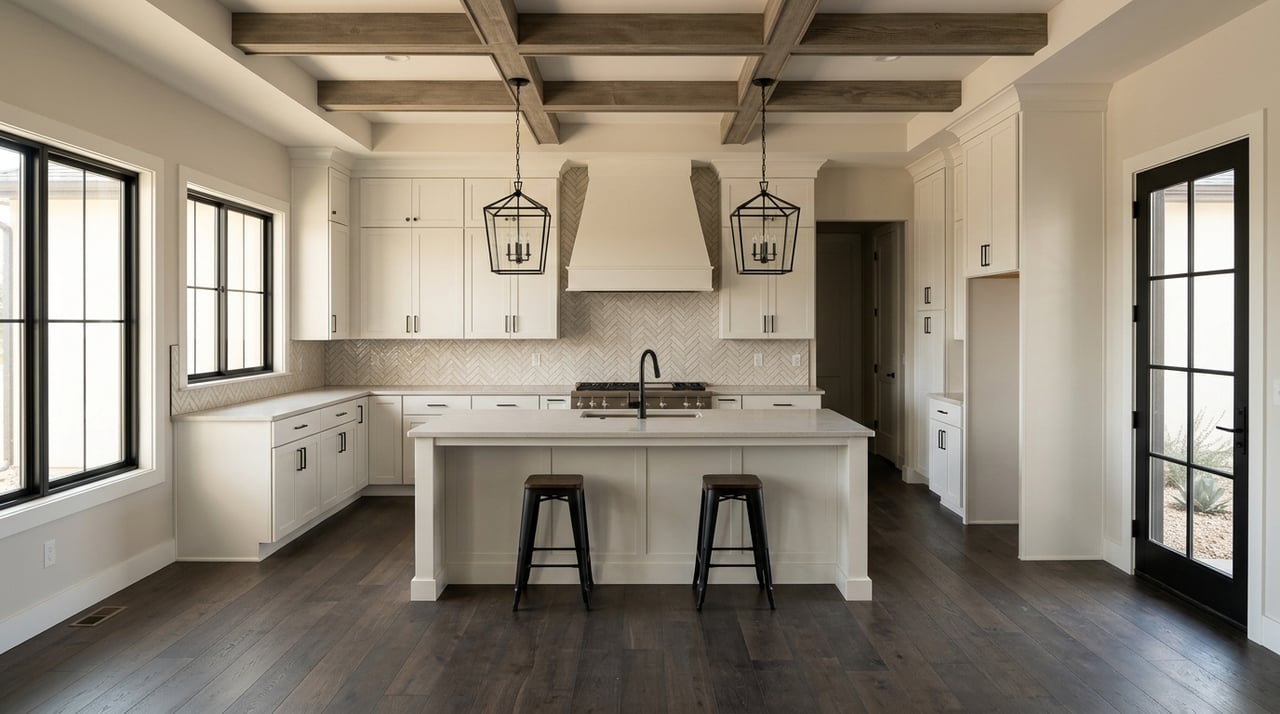
NAR's 2025 staging survey found that 83% of buyers' agents said staging makes it easier for buyers to visualize a home. The same survey found that living rooms, primary bedrooms, kitchens, and outdoor or yard space are the areas most often emphasized in staging.
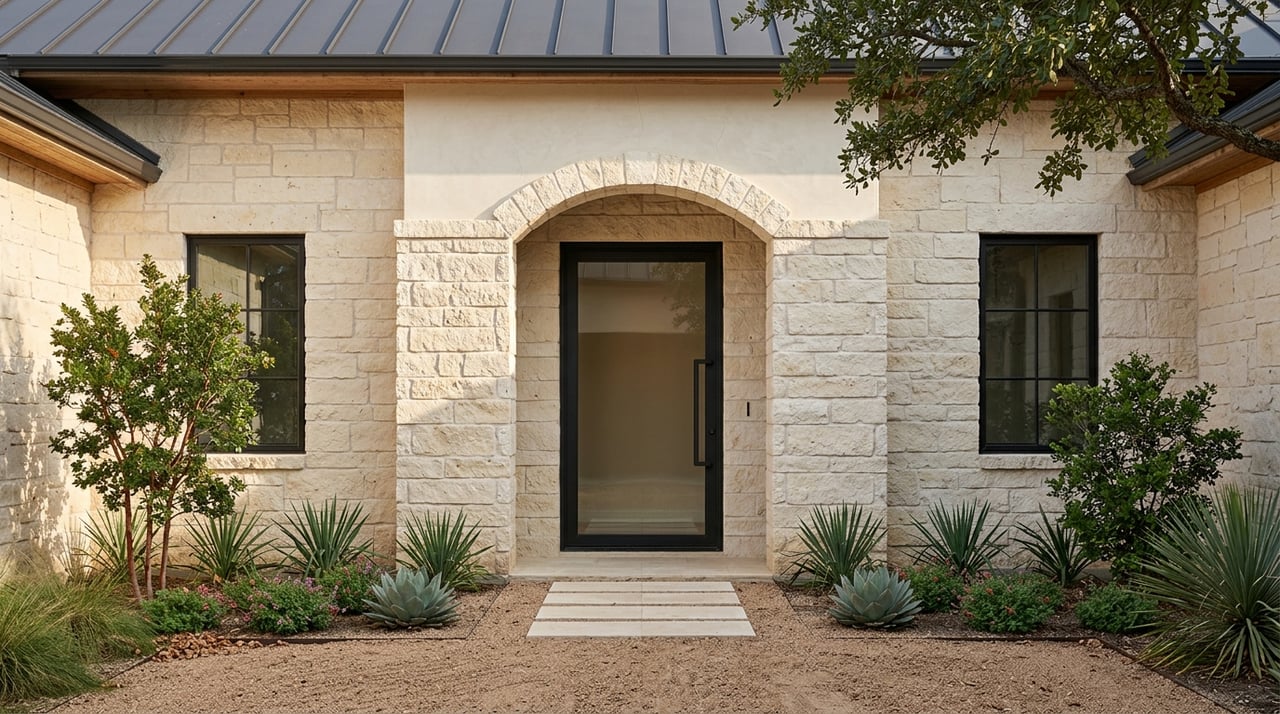
For a ranch sale, outdoor areas deserve the same level of care as the home itself. That includes entry drives, porch views, pasture outlooks, barn approaches, and any waterfront areas.
Use a simple pre-photo checklist
Before the photographer arrives, try to:
- Declutter interior rooms
- Deep clean the home
- Remove mismatched equipment from visible areas
- Tidy feed rooms, tack rooms, barns, and storage spaces
- Mow or trim around the home and major improvements
- Make sure gates, roads, and water features photograph clearly
These steps help your ranch look well-kept without making it feel artificial.
Think through the photo sequence
A good ranch listing should tell a clear visual story. In many cases, the lead image should be the strongest exterior or lifestyle shot, followed by a sequence that helps buyers understand entry, improvements, water features, and usable acreage.
That kind of flow can keep buyers engaged longer and help them connect the dots before they ever step on the property. It also reduces confusion on larger or more complex listings.
Work with a brokerage that can manage complexity
Ranch sales often involve more moving parts than standard home sales. Title review, easements, surveys, permits, water features, repairs, showings, and disclosure timing all need to be coordinated carefully.
NAR's 2025 profile found that 88% of buyers purchased through an agent or broker and 91% of sellers used a real estate agent. On a Llano County ranch, that support can be especially valuable when the goal is to bring the property to market with a clean, credible story.
At Topper Real Estate, that means a full-service approach shaped around Hill Country land and lifestyle properties. From listing prep through marketing and transaction management, the goal is to help you present the property well, answer buyer questions clearly, and move toward closing with fewer surprises.
If you are getting ready to sell in Llano County, a thoughtful plan can protect value and improve the entire launch. To talk through your property, your timeline, and the best way to prepare it for market, schedule your Hill Country consultation with Topper Real Estate.
FAQs
What should you fix before selling a ranch in Llano County?
- Focus first on access, gates, roads, fencing, water features, and key improvements like barns or pens. Buyers often evaluate how usable and well-maintained the full property feels, not just the house.
What documents should you gather before listing a Llano County ranch?
- Start with deed records, easements, liens, surveys, septic or OSSF records, flood-related information, repair records, and any dock or shoreline paperwork if the property is on the water.
What should you know about dock rules for Llano County lakefront property?
- On the Highland Lakes, LCRA says residential docks must meet standards for items like flotation, lighting, access, anchoring, and distance from shore, even when a permit is not required for docks of 1,500 square feet or less.
What does the Texas Seller's Disclosure Notice ask ranch sellers to disclose?
- The form asks about property conditions such as septic systems, fences, water supply, roof age, drainage issues, known defects, unpermitted alterations, and certain flood-related conditions.
Why do listing photos matter so much for a Llano County ranch sale?
- Many buyers begin their search online, and NAR reports that listing photos are the most useful online feature for buyers. Strong photos help buyers understand the home's condition, the land layout, and the property's best features before a showing.