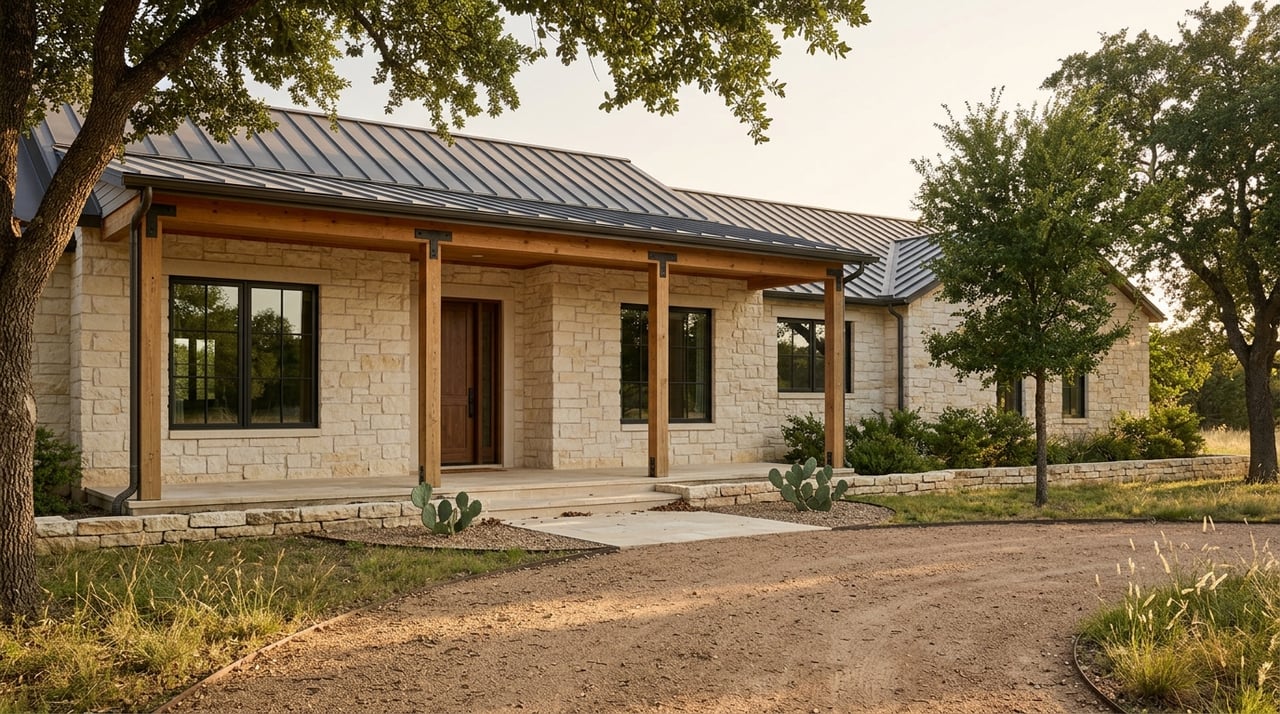
Dreaming about a place where your weekends feel slower, quieter, and more connected to the land? In the Texas Hill Country near San Antonio, owning a weekend ranch can offer exactly that, but it usually comes with more responsibility than many buyers expect. If you are considering a retreat in this part of Texas, it helps to understand both the lifestyle and the practical side of ownership. Let’s dive in.
Weekend ranch life starts with the land
A weekend ranch in the Hill Country is not just a second home with a view. It is usually a mix of acreage, access, water, and ongoing stewardship that shapes how you spend your time there.
The landscape around San Antonio sits within the Edwards Plateau, with rolling to hilly grasslands, limestone terrain, springs, steep canyons, oak and juniper cover, and wildlife-rich habitat, according to the Texas Parks and Wildlife Hill Country overview. Elevation in the region ranges from about 500 to 2,250 feet, and rainfall varies from roughly 15 to 34 inches a year, which helps explain why one property may feel very different from another just a short drive away.
That variety is part of the appeal. You may find broad views on one tract, thicker tree cover on another, and a more rugged canyon feel on the next. It also means each property needs to be evaluated on its own terms.
What buyers are really buying
Most buyers picture a porch, open sky, and a place to unwind. In reality, what you are often buying is a combination of privacy, usable land, and the systems that make rural ownership work.
That includes things like private wells, water quality, septic systems, fences, gates, and road access. The Texas A&M AgriLife landowner resources highlight these as common issues for rural landowners, along with easements and other practical details that can affect how you use the property.
If a property relies on a well, that matters even more. AgriLife notes that more than 1,000,000 private wells supply rural Texans, and owners are responsible for checking and maintaining water quality through resources like the Texas Well Owner Network.
For many buyers, that is the key mindset shift. A weekend ranch is not just about escaping the city. It is about owning land that asks for attention in return.
The rhythm of a typical weekend
The best version of Hill Country ranch life is both relaxing and hands-on. Your weekend may start with coffee on the porch, but it often includes a drive or walk across the property to check gates, fences, water sources, and road conditions.
That is not a downside for the right buyer. It is part of the experience. The land becomes something you know and care for over time, not just something you visit.
The region’s climate helps shape that routine. According to National Weather Service climate normals for San Antonio, the area averages 122.4 days each year at 90°F or above, with annual precipitation of 32.38 inches. In practical terms, outdoor work and recreation often happen early in the day, in the shade, or around changing weather windows.
Expect early starts and simple routines
A realistic Hill Country weekend often includes:
- Opening or checking gates
- Looking over fences and drives
- Checking water systems or well equipment
- Watching tree lines, brush, or low spots after weather changes
- Spending time outdoors before the heat builds
- Ending the day with a slower evening under open sky
That rhythm is often exactly what buyers want. It feels grounded, useful, and very different from a packed city schedule.
Stewardship is part of the lifestyle
One of the biggest surprises for first-time ranch buyers is how closely ownership and stewardship go together. In the Hill Country, the land is part of a larger natural system that includes wildlife habitat, native cover, and the Edwards Aquifer.
The Texas Parks and Wildlife Hill Country overview notes that the region sits over the Edwards Aquifer, which supplies drinking water for 1.5 million people and supports farming and wildlife habitat. That makes water, drainage, and land use more than private concerns. They are part of the broader character of the region.
For owners who want help caring for their property, Texas Parks and Wildlife landowner assistance offers private landowners free technical guidance focused on wildlife habitat and wildlife population management. That can be valuable if you want your weekend ranch to be more than a retreat and become a long-term habitat project as well.
Your land may become a project you enjoy
For many people, this is where weekend-ranch ownership becomes more meaningful. Instead of simply asking, “What can this property do for me?” you start asking, “How can I care for this land well?”
That may mean maintaining native cover, protecting water features, improving access, or simply learning how the property changes through the seasons. Over time, the ranch often becomes part leisure space, part responsibility, and part legacy asset.
Fire and drought planning matter
In this part of Texas, weather awareness is part of ownership. Dry conditions, brush, and heat can all affect how you use and manage a property.
The Texas A&M Forest Service landowner priorities resource is built around the kinds of details ranch owners should track, including priority areas, water sources, safety hazards, fences, gates, and ranch zones. It is a practical reminder that emergency readiness is part of the rural ownership routine.
Texas Parks and Wildlife also notes on its Hill Country State Natural Area page that fire-danger conditions can change quickly and burn bans can happen with little notice. For a weekend owner, that means keeping an eye on seasonal conditions and staying proactive rather than reactive.
Recreation is part of the payoff
Of course, no one buys a weekend ranch only to inspect fences. One of the biggest rewards is having direct access to the kind of outdoor life that draws people to the Hill Country in the first place.
The broader San Antonio weekend footprint includes a long list of public recreation options. The Texas Parks and Wildlife parks near San Antonio guide includes places like Government Canyon State Natural Area, Guadalupe River State Park, Hill Country State Natural Area, Blanco State Park, and Honey Creek State Natural Area.
That matters because a weekend ranch here can feel rural without feeling cut off. You can spend time on your own land, then head out to explore trails, rivers, or state natural areas nearby.
Nearby parks help define the lifestyle
At Guadalupe River State Park, you will find swimming, fishing, tubing, canoeing, camping, hiking, birding, and mountain biking. Texas Parks and Wildlife notes that San Antonio is just 30 miles away, which reinforces how accessible this lifestyle can be.
At Government Canyon State Natural Area, the experience is more rugged and conservation-focused, with nearly 40 miles of trails over the Edwards Aquifer recharge zone. It is a strong example of the quieter, more natural side of Hill Country recreation.
And at Hill Country State Natural Area, you get the classic former-ranch setting with primitive camping, hiking, mountain biking, horseback riding, backpacking, and nature-watching, plus nearby Bandera-area attractions that add to the region’s Western character.
Is a weekend ranch right for you?
The right buyer usually is not looking for a lock-and-leave condo in the country. This lifestyle tends to fit people who want space, privacy, and a deeper connection to the land, and who are comfortable with the tradeoff that comes with rural ownership.
A weekend ranch may be a strong fit if you value:
- Privacy and room to spread out
- Time outdoors instead of a packed weekend schedule
- Long-term land stewardship
- Learning the systems behind rural property ownership
- A retreat that feels active and purposeful
It may be a less natural fit if you want something with very little upkeep or you do not want to think about wells, septic, fencing, access, or seasonal land conditions.
Buying well matters as much as buying beautifully
A beautiful view can draw you in, but a smart purchase depends on understanding the property behind the view. In the Hill Country, that often means looking closely at water, access, topography, infrastructure, and how the land will function for your goals.
That is especially important for out-of-area buyers who may love the idea of a weekend ranch but need help translating that idea into the right property choice. The details can shape your ownership experience as much as the scenery does.
If you are thinking about buying a weekend ranch in the Hill Country, working with a brokerage that understands ranch land, lifestyle goals, and local due diligence can make the process far smoother. To talk through what fits your plans, connect with Topper Real Estate.
FAQs
What does owning a weekend ranch in the Hill Country usually involve?
- It usually involves a mix of relaxation and hands-on property care, including checking gates, fences, water systems, access points, and seasonal land conditions.
What should buyers know about water on a Hill Country weekend ranch?
- Many rural properties rely on private wells, and owners are responsible for maintaining and checking water quality, so water access and water systems should be reviewed carefully.
How does the Hill Country climate affect weekend-ranch ownership?
- Hot weather is a major factor, with many days above 90°F each year, so outdoor activities and property tasks often happen early, in the shade, or around weather changes.
Why is stewardship important on a Hill Country ranch property?
- Stewardship matters because the region includes wildlife habitat, native cover, and the Edwards Aquifer system, which makes thoughtful land management part of responsible ownership.
Are Hill Country weekend ranches isolated from recreation and town access?
- Not necessarily. Many properties are within the same general weekend footprint as destinations like Guadalupe River State Park, Government Canyon, and other Hill Country recreation areas near San Antonio.