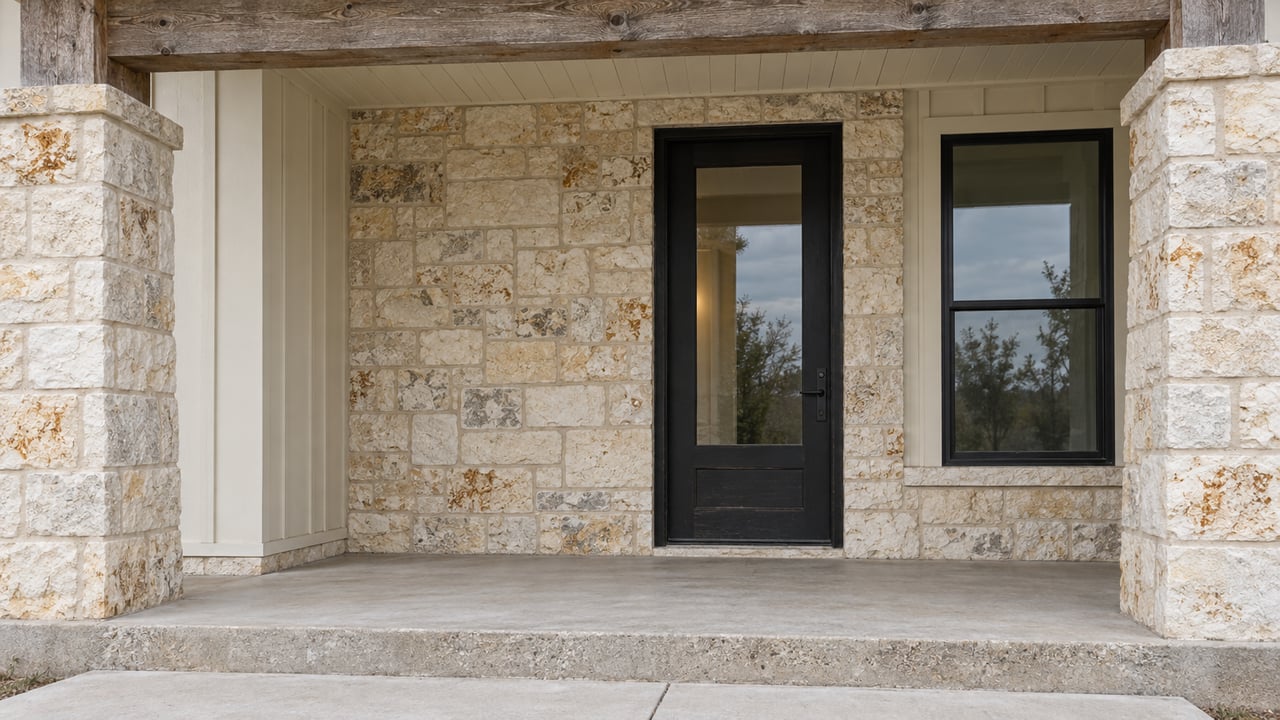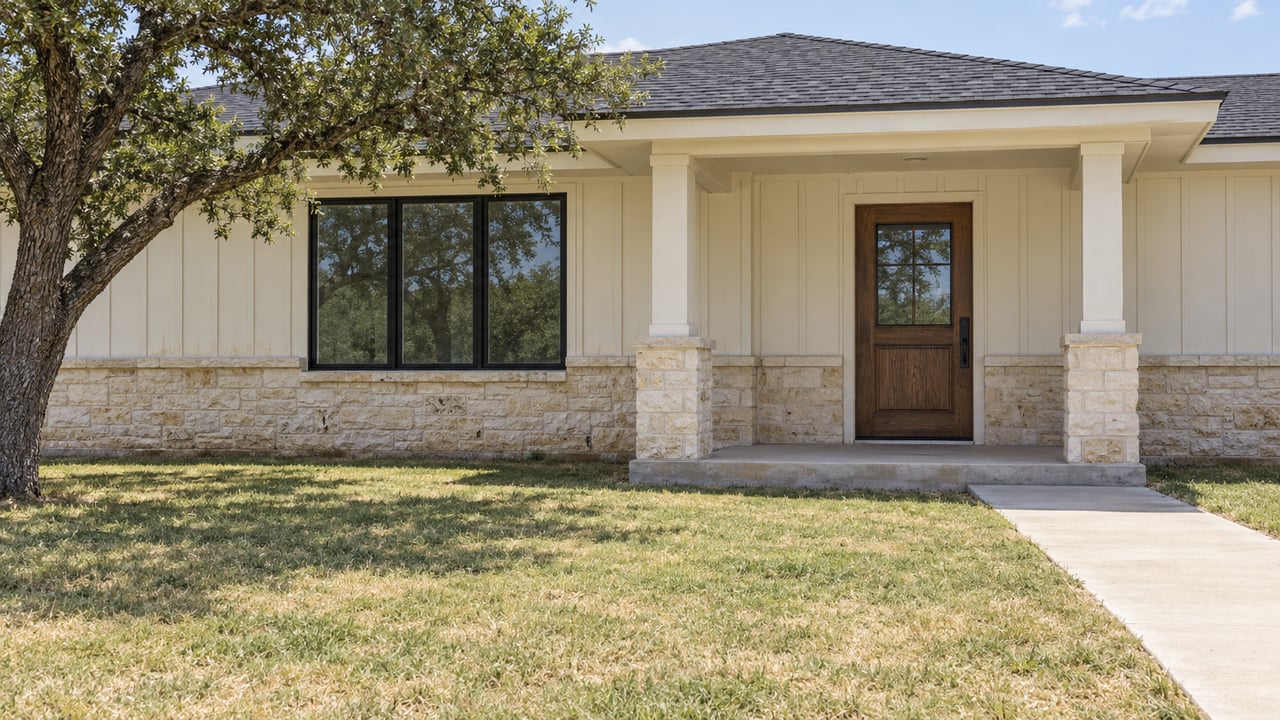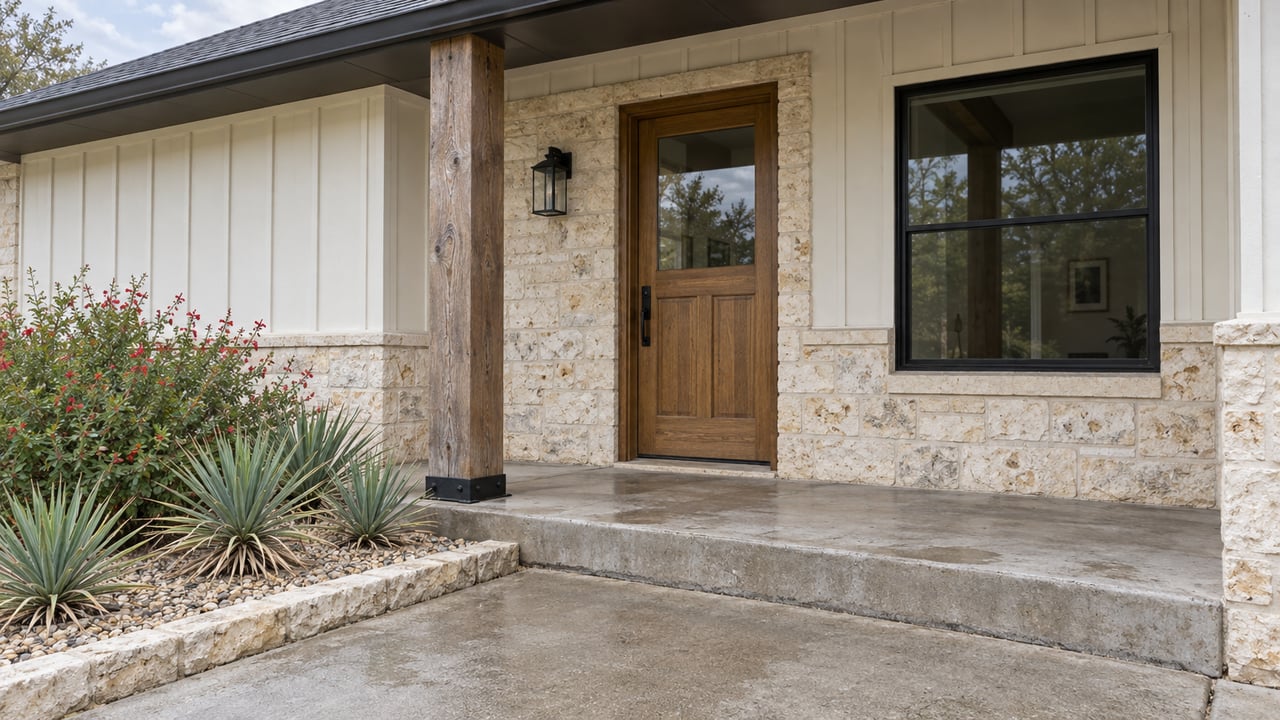
Picture two 8-acre tracts on the same county road outside Boerne. They have the same frontage, the same views and the same septic-ready soil. One has a domestic well drilled in 2024. The other is raw land, and its buyer plans to drill. Under the Cow Creek Groundwater Conservation District's current rules, these tracts don't come with the same water. The first well can stay exempt from permitting as long as its exemption conditions still hold. The second well needs a permit. On the simpler permit route, it has to be built so it can't pump more than 5 gallons per minute, and it must stay under one acre-foot of water a year. Going above those limits means applying for a full operating permit, which requires an aquifer test.
That difference comes from the district's rules book, and in Kendall County it covers a large share of small-acreage land.
The Date That Divides the County
The Cow Creek Groundwater Conservation District manages groundwater in all of Kendall County except land inside the City of Fair Oaks Ranch. On September 8, 2025, through Board Order 2025-002, the district changed its well exemption rules. In the district's words, the change was made "to allow only the statutory well exemptions listed in 36.117, Texas Water Code."
The statutory exemption covers a well used only for domestic or livestock purposes. It applies when the well sits on a tract larger than 10 acres and can't produce more than 25,000 gallons a day, which works out to 17.36 gallons per minute. It also allows only one exempt well for each 10 acres of contiguous land.
Wells drilled or registered as exempt before that date keep their status. The rules say the district "will respect and uphold all well exemptions that were granted under the District's Rules prior to September 8, 2025, unless the usage changes and the exemptions conditions are no longer met." The district can require a permit once those conditions stop being met. Altering an exempt well so it can produce more than 17.36 gallons per minute is one example the rules give.
The board amended the rules again on July 13, 2026. It approved the changes 4–0 after a public hearing that opened at 6:03 p.m. and closed at 6:04 p.m. with no public comment.
Four Kinds of Wells, Four Sets of Limits
The district now sorts every well into one of four tiers. The fees below come from the district's fee schedule effective September 10, 2025.
| Tier | Who it covers | Production limit | Application fees listed |
|---|---|---|---|
| 1. Statutory Exempt | New domestic or livestock well on a tract larger than 10 acres | Up to 17.36 gpm, one well per 10 acres | $500 registration |
| 2. Regulatory Exempt | Wells exempt under the district's earlier rules | Keeps its prior exemption | $500 registration |
| 3. Permitted Low Production | Non-exempt well producing 5 gpm or less and under 1 acre-foot a year | 5 gpm or less and under 1 acre-foot a year | $500 registration, $500 operating permit |
| 4. Permitted Non-exempt | Non-exempt well capable of more than 5 gpm and more than 1 acre-foot a year | Set by the district under Rule 10 | $500 registration, $2,500 operating permit per well |
The district's September 14, 2026 agenda included a public hearing and possible adoption of its 2026-27 budget, so confirm current fee amounts with the district before you budget around them.
The gap between Tier 3 and Tier 4 goes well beyond the fees. A Tier 3 application needs no pump test, and the general manager can approve it once it's complete. Asking for more than 5 gallons per minute or more than one acre-foot a year means filing an Aquifer Test Report prepared by a Texas licensed professional engineer or a Texas licensed professional geoscientist. On a tract smaller than 10 acres, only one low production well can be permitted. Any more wells must go through the full non-exempt operating permit process.
The Annual Cap Is the One That Binds
Most conversations about Tier 3 wells focus on the 5-gallon-per-minute limit. The district requires the well to be "mechanically limited" so it can't produce more than that, and it requires the permittee to verify the well's production capability. At 5 gallons per minute, a pump running around the clock would deliver 7,200 gallons a day.
The second limit is tighter. A Permitted Low Production Well must also stay under one acre-foot of total production a year. An acre-foot is about 325,851 gallons. Spread over a year, that's fewer than about 893 gallons a day on average, or roughly one-eighth of what the pump could physically deliver.
The flow limit sets how fast water arrives. For a household plan, the yearly total matters more, because irrigation, a pool, livestock and guest quarters all draw from the same annual cap. Kendall County asks the same kind of question at the subdivision level. Its groundwater availability report for a new plat calculates residential demand at full build-out, using the number of people per home and gallons per person per day.
A Tier 3 well used only for domestic and livestock purposes doesn't have to be metered. The annual cap still applies.
The County Allows Smaller Lots Than the Exemption Reaches
On lot size, Kendall County and the groundwater district draw their lines in different places. The Kendall County development regulations amendment, effective August 31, 2023, sets a 3-acre minimum lot size and 250 feet of road frontage for a single-family lot served by a well and an on-site sewage facility. The maximum density for that lot type is one lot per 10 acres. In practice, a subdivision on private wells can average 10 acres per lot while some individual lots run as small as 3 acres. The district's statutory exemption starts above 10 acres.
So every new well on a lot between 3 and 10 acres, an exact 10-acre lot included, needs a Tier 3 or Tier 4 permit. That size range covers much of the small-acreage market. It also explains the case of the two 8-acre tracts, where a well already in the ground is worth more than the lot size alone suggests.
New plats face a separate requirement. Unless an exclusion applies, the county requires a groundwater availability certification with each plat application. The applicant must show adequate firm yield, in quantity and quality, for the proposed lots. The statutory exemption also doesn't cover a well that supplies water to a subdivision requiring plat approval under Chapter 232 of the Local Government Code. The county amendment cited here dates from 2023, so confirm the current version with Kendall County before relying on these lot-size thresholds.
A Dry Fall to Be Drilling
The cap comes at a dry time. At the July 13, 2026 meeting where it adopted the rule amendments, the board also voted 4–0 to move the district to drought Stage 2. The district's Aquifer Watch page still listed Stage 2 in October. It showed a water level of 1188.10 as of October 14, 2026, which was 10.09 feet below the October average.
September 2026 rainfall in the district was 0.49 inches, against a historical September average of 3.82 inches. On October 19, 2026, the Guadalupe River was flowing at 78.6 cubic feet per second at Comfort, against a historical median of 89. At Spring Branch it was flowing at 86.5, against a median of 121.5.
A buyer who drills this fall will be testing a new well while water levels are below normal for the season.
The 5 GPM Cap Has Already Reached the Board
The district's October 19, 2026 agenda listed a request from the Torch of Freedom Foundation, shown on the agenda as Patriot Academy, for relief from Rule 3.3 and Rule 3.3.A.(11). The request asked that Permitted Low Production Well W9018 not be limited to five gallons per minute. The same item came back for discussion and action at the board's November 9, 2026 meeting, held at the district office at 9 Toepperwein Road in Boerne. The district's November 9 agenda shows the item, and the board's action will appear in the meeting minutes when they're posted.
Less than a year after the cap took effect, the request brings the Tier 3 flow limit before the board as a decision about one specific well.
What Changes Hands at Closing
A well transfers with paperwork of its own. Under Rule 3.4.C, the buyer must report a change in well ownership to the district within 60 days, on a form that both seller and buyer sign. If production fees are unpaid when the property transfers, the new owner becomes responsible for them. For a well with an operating permit, missing the notice deadline can lead to revocation of the permit. The 2025 fee schedule lists $100 for the change-of-ownership form on an operating permit.
Operating permits run for 10 years. The district may renew a low production well permit without requiring a renewal application.
On any Kendall County tract of 10 acres or less, the well's paperwork tells a buyer what they're getting:
- The district well number and its tier.
- The drilling date, which shows whether the well came before or after September 8, 2025.
- Any operating permit, along with its production limits and special conditions.
- Whether the well has been altered since it was registered.
- Whether any production fees are unpaid.
A Few Direct Questions
Does this apply in Fair Oaks Ranch? No. The district's boundary follows the Kendall County line but excludes land inside the City of Fair Oaks Ranch.
What about a very old well on the property? According to the district's July 13, 2026 minutes, the board clarified that existing domestic and livestock wells drilled before 2005 will be registered as Regulatory Exempt.
Can an 11-acre tract have two exempt wells? The statutory exemption allows one exempt domestic and livestock well for each 10 acres of contiguous land. A second well drilled beyond that ratio can be required to get a permit.
This post is general information about published district and county rules. It isn't legal, tax or financial advice, so confirm how these rules apply to a specific tract with the Cow Creek Groundwater Conservation District, Kendall County, and your own attorney or water professional.
If you're weighing a Kendall County tract of 10 acres or less and the well status will decide your offer, Topper Real Estate can help you gather the well records and permit details before you sign. Schedule your Hill Country consultation.